LIFTING STRENGTH AND THE BALANCE OF POWER
Greg Jankowski
Is Having Too Much “Isolated Strength” a Bad Thing?
Surprisingly… Yes.
Many common issues people struggle with — low back pain, tight hips, limited shoulder mobility, and even balance problems — often result from over-developing certain muscles while others remain weak, untrained, or disengaged.
💡 Think of Your Body Like a Family
Imagine your body as a household.
Each person (muscle) has a unique role in keeping the household running smoothly (your body moving efficiently).
When one family member is overwhelmed while others aren’t contributing, communication breaks down.
Other members try to “pick up the slack,” and eventually:
Muscles overwork
Movement becomes inefficient
Pain and tension build over time
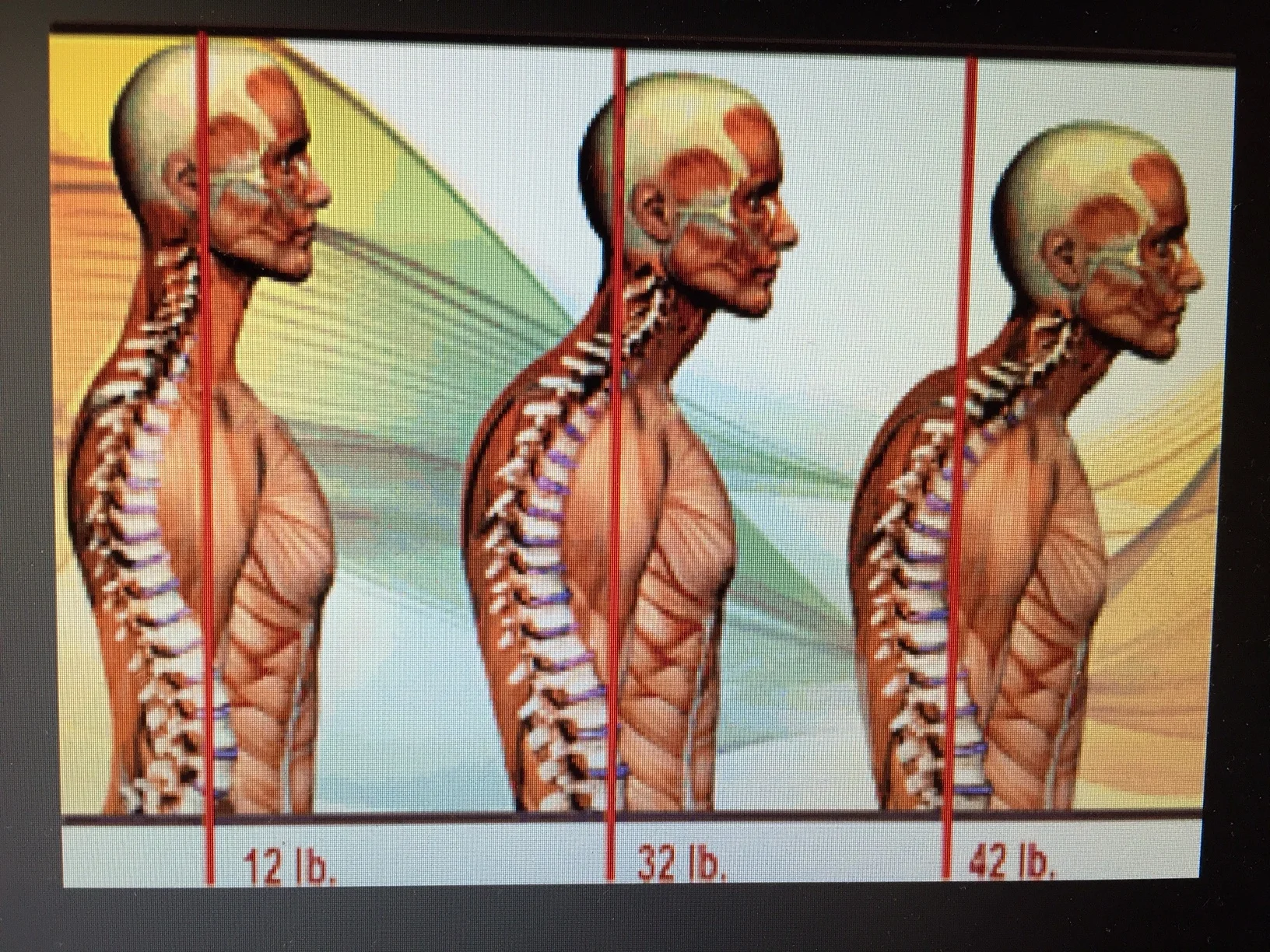
This leads to poor posture, compensation patterns, and unnecessary wear and tear on the spine and joints.
🧠 The Real Problem Isn’t Strength — It’s Imbalance
Most people don’t need more strength.
They need balanced strength — the ability for muscles to communicate and share the workload.
We are not chasing perfection.
We are building cooperation between:
Core muscles
Postural stabilizers
Balance + mobility systems
This reduces strain on the low back and keeps joints healthier long-term.
🔥 Power Without Balance = Risk
Core weakness + isolated strength = injury waiting to happen.
Many injuries — especially low back pain — don’t come from one major event.
They result from years of small, inefficient movements that overload the spine.
If core stabilizers aren’t active, the low back tries to do all the work.
That’s how people get injured bending, lifting, or performing quick reactive movements.
Rule of thumb:
Avoid bending, lifting, and twisting at the same time — the spine hates that combination.
✅ Power With Balance = Freedom to Move
Having power is a great thing —
when your body knows how to use it.
When muscles communicate and work together as a team:
Movements are safer
Pain decreases
Balance improves
Strength becomes useable strength
That is the Balance of Power.
✚ The Balance Professor Approach
I teach clients how to:
Improve posture and neuromuscular communication
Strengthen the core without stressing the spine
Build mobility and joint integrity
Develop safe, functional strength for real-life activities
Because movement should feel good.
Not painful.
Not intimidating.
Not confusing.
Sincerely,
Greg Alan Jankowski — The Balance Professor
Making Movement Matter